Hydro Jetting: The Ultimate Answer for Congested Drains
Hydro jetting has become a highly effective method for tackling clogged drains. This procedure uses high-pressure water jets to remove blockages and clear pipe interiors thoroughly. Unlike conventional techniques, hydro jetting offers a more comprehensive approach that enhances long-term drain health. Yet, many homeowners stay ignorant of its full potential. Comprehending how hydro jetting works and identifying its advantages could transform plumbing maintenance practices greatly. What factors should one consider before opting for this service?
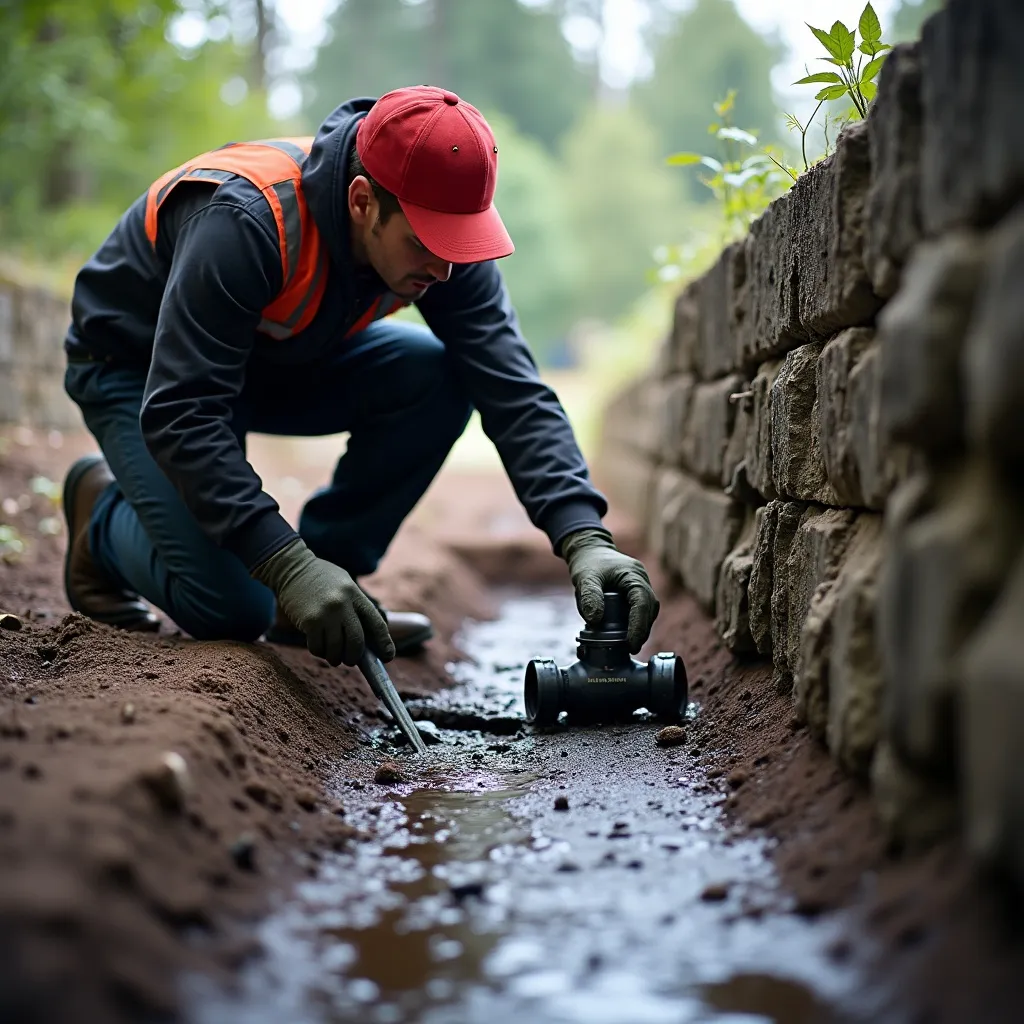
Understanding The Way Hydro Jetting Works in Practice
The efficiency of hydro jetting depends on its advanced approach. This procedure utilizes high-pressure water jets to clear stubborn clogs and debris from plumbing systems. Initially, a technician places a custom hose into the problematic drain. Once in place, the hydro jet produces water at pressures typically ranging from 1,500 to 4,000 psi. This intense stream efficiently dislodges blockages, including grease, tree roots, and mineral buildup, while also cleaning the pipe walls.
The versatility of hydro jetting makes it suitable for various drain sizes and materials, boosting both residential and commercial plumbing systems. Additionally, its thorough approach lessens the risk of recurring clogs by ensuring that the entire pipe interior is thoroughly cleaned. By restoring ideal flow and performance, hydro jetting not only addresses immediate issues but also contributes to the long-term health of drainage systems, positioning it as a preferred solution for stubborn blockages.
Signals You Should Get Hydro Jetting?
Recognizing the signs that show the need for hydro jetting is essential for preserving clean and well-functioning drainage systems. Frequent clogs and persistent foul odors can indicate underlying problems within the plumbing that conventional approaches may not resolve. Tackling these symptoms promptly can avoid more significant problems down the line.
Regular Clogs Happening
How can one determine if their drains need urgent care? Frequent clogs are a notable sign that a plumbing system may require hydro jetting. When drains continually become blocked, it indicates an underlying issue, such as the accumulation of grease, debris, or tree roots. Homeowners may notice that conventional plunging or drain cleaning techniques provide only temporary solutions. Additionally, if several fixtures in the home are affected at the same time, the problem could be more substantial than a basic clog. Ignoring these recurring clogs can contribute to more severe plumbing problems, including overflows or damaged pipes. Thus, identifying the indicators of frequent clogs is essential for maintaining a properly functioning drainage system and preventing costly repairs in the future.
Foul Odors Evident
Foul aromas originating from drains can signal deeper difficulties within a plumbing system, especially when coupled with frequent clogs. These unpleasant smells often indicate the presence of decomposed organic matter, grease buildup, or sewage leaks. When conventional cleaning methods fail to resolve these issues, it may be time to explore hydro jetting. This cutting-edge technique employs high-pressure water streams to effectively dislodge stubborn debris and restore ideal flow. By treating the root cause of foul odors, hydro jetting not only strengthens drainage but also enhances overall hygiene. Homeowners should not pass over these signs, as neglecting them can lead to more serious plumbing problems and costly repairs. Swift action can guarantee a cleaner, healthier environment for all occupants.
What Benefits Does Hydro Jetting Offer?
Although traditional methods to clearing blocked drains can be effective, hydro jetting offers several notable benefits that set it apart. This powerful cleaning method utilizes powerful jets of water to remove persistent clogs and debris from pipes. One significant benefit is its capacity to thoroughly clean the entire pipe interior, eliminating accumulation that may not be tackled by traditional methods.
Additionally, hydro jetting is eco-conscious, as it depends entirely on water and does not require harsh chemicals. This method also minimizes the risk of pipe damage, as it is less invasive compared to mechanical cleaning techniques. Moreover, hydro jetting can improve the longevity of plumbing systems by preventing future clogs and maintaining ideal flow. Ultimately, these advantages establish hydro jetting as a top option for homeowners searching for effective and sustainable solutions for clogged drains.
How Does Hydro Jetting Compare to Traditional Cleaning?
Hydro jetting provides a strong option to conventional cleaning techniques when tackling persistent clogs. Its pressurized water streams efficiently dislodge debris and buildup, promoting lasting drain condition. In contrast, conventional techniques may only deliver temporary relief, allowing underlying issues unresolved.
Effectiveness Against Tough Clogs
Blocked drains can be a troublesome issue, driving homeowners to look for workable options. Hydro jetting demonstrates itself as a forceful approach, using intense water pressure to eradicate even the most resistant clogs. Unlike older techniques, which may depend on snaking or chemical-based remedies, hydro jetting tackles the source by comprehensively scrubbing the drain walls. This approach successfully dislodges grease, tree roots, and lime scale, offering a total solution. While standard methods may briefly ease clogs, they frequently retain remaining particles that can create future complications. Hydro jetting not only removes the current blockage but also boosts overall drain performance, establishing it as a better alternative for handling difficult clogs and delivering durable outcomes.
Long-Term Drain Condition
Effective approaches for drain cleaning greatly contribute to long-term drain health. Compared to traditional cleaning methods like snaking or chemical treatments, hydro jetting stands out. Though snaking clears blockages quickly, it frequently leaves residual buildup and debris, potentially causing future clogs. Hydro jetting, by contrast, uses high-pressure water jets to clean the entire pipe interior thoroughly, removing grease, scale, and other blockages. This thorough approach clears current blockages and reduces the chance of them returning. Moreover, hydro jetting improves plumbing system longevity by preserving optimal flow and preventing deterioration. Therefore, for homeowners seeking sustainable drain solutions, hydro jetting proves to be a superior choice for long-term drain health.
How to Decide on the Perfect Hydro Jetting Service?
Picking the right hydro jetting service is vital for ensuring ideal plumbing care. Residents should commence by exploring local contractors, concentrating on their experience and reputation. Examining online feedback and ratings can give insights into a company's reliability and quality of service.
It is important to verify that the company has skilled technicians who are certified in hydro jetting techniques. Asking about the tools used is also vital, as advanced technology can enhance effectiveness and safety.
Furthermore, customers should request comprehensive estimates, including potential additional costs. Openness in rates can help avoid unexpected expenses. Furthermore, verifying that the provider is certified and covered protects you against liabilities throughout the project.
Ultimately, a professional hydro jetting service should extend assurances on their work, assuring customers of their dedication to long-term solutions. By following these guidelines, homeowners can pick a service that meets their plumbing needs efficiently.
Regularly Asked Questions
Is Hydro Jetting Safe for All Types of Plumbing?
Hydro jetting may not be universally fitting for every pipe configuration. Older or fragile pipes could experience damage from forceful water streams, whereas more resilient systems can benefit considerably. Consulting a professional is vital for superior performance.
When Should I Evaluate Getting Hydro Jetting Performed?
Hydro jetting is suggested every 1 to 2 years for routine maintenance, especially in homes with aged pipe systems or recurring blockages. Periodic evaluations can aid in establishing the optimal schedule based on specific plumbing needs.
Can Hydro Jetting harm Old Pipes?
Hydro jetting can possibly harm old pipes, especially those made of fragile materials. Professionals typically assess pipe condition before moving forward, making certain that the technique is appropriate for the particular plumbing setup to prevent expensive repairs or malfunctions.
What Does Hydro Jetting Services Cost?
Hydro jetting services typically range from $300 to $500, determined by elements such as location, blockage intensity, and the plumbing company. Extra expenses may occur for comprehensive work or equipment needs for specialized tasks.
Do I Have to Prepare My Home Before Hydro Jetting?
Yes, getting the home ready before hydro jetting is advisable. This includes providing access to plumbing fixtures, moving precious items nearby, and detailed guide making sure pets and children are secure away from the work area during the process.